Roofing in Hudson Bend near Lake Travis: why steep lake homes cost more to reroof, which materials suit hillsides and how to stop wind and valley leaks.
On the hills around Lake Travis, your roof is part of the scenery. Neighbors up the slope look down on it, and so does anyone driving the winding roads above the water. That's one reason roofing in Hudson Bend leans toward materials that look good for a long time. It isn't the only thing that sets lake-area roofs apart, though.
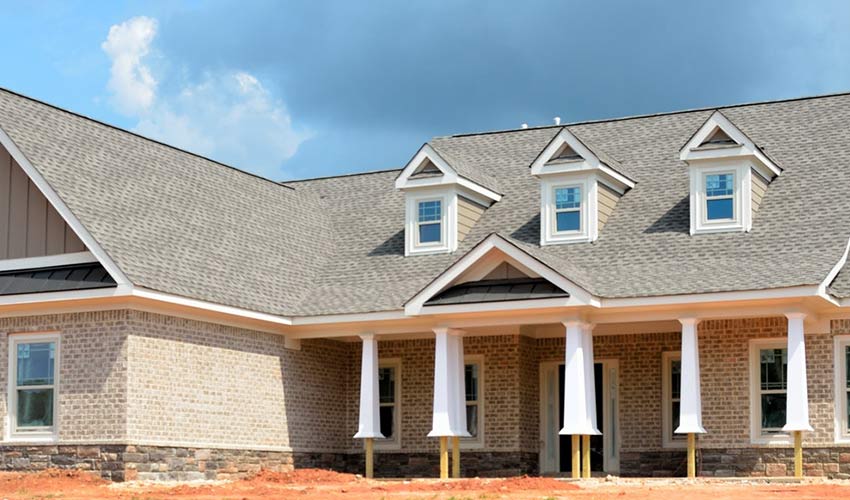
Many homes here have steep pitches, lots of hips and valleys and wide exposure to wind coming off the lake. Those features change the price, the materials that make sense and the details that keep water out.
Two roofs with the same square footage can carry very different prices. On Hudson Bend homes, these usually push the number up:
When comparing quotes, make sure each one counts the same number of squares and includes the same flashing and underlayment. Big gaps between bids often come from one roofer leaving something out.
Standing seam metal is common around the lake for good reason. It sheds water fast on steep slopes, handles wind well when fastened properly, reflects a lot of summer sun and can last for decades. Low-gloss finishes keep glare down for the neighbors who look down on it. Our metal roofing page for Hudson Bend goes into panel types and costs.
Stone-coated steel gives a shingle or tile look with the toughness of metal. Concrete and clay tile suit Mediterranean-style homes but are heavy, so switching from shingles to tile calls for a check of the roof framing. Architectural shingles remain the lower-cost option, and Class 4 impact-rated versions hold up better to hail.
Wind picks up speed as it crosses open water and climbs a ridge, and homes perched above the lake feel it. Most wind damage starts at the edges: the eaves, the rakes and the ridge. Ask about edge metal and starter courses rated for high wind, the fastening pattern for shingles or panels and how ridge caps are secured. They're small line items on a quote and big factors in whether a roof holds through a spring storm.
On a complex roof, leaks rarely start in the middle of a slope. They start where two planes meet or where the roof runs into a wall, chimney or skylight. A careful roofer will:
Lake houses often have vaulted ceilings with little or no attic above them. That leaves less room for insulation and ventilation, so the roof surface itself matters more. A reflective metal roof, a radiant barrier wherever there is attic space and good insulation in the areas you can reach all help. In some vaulted sections, spray foam applied under the roof deck is the practical way to insulate.
View glass lets a lot of heat into lake homes. Our Hudson Bend windows guide covers glass that keeps the view clear, and our page on doors in Hudson Bend deals with patio doors facing the water. For more on the area, see our Hudson Bend page.
If your lake home's roof is nearing replacement, start by finding out how it handles heat now. We'll check the attic, the insulation and the vaulted spaces during a free home energy audit and help you plan what to fix first. Call Texas Energy Pros to set up a time.