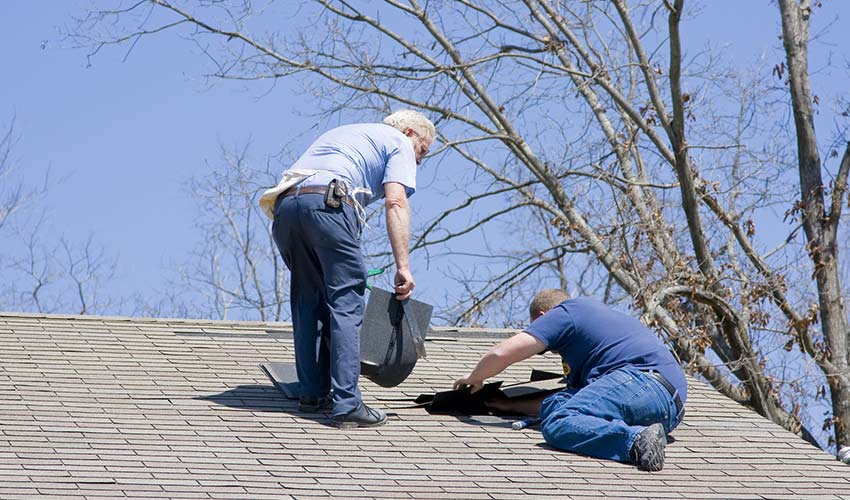
Older homes in Taylor, TX often hide extra shingle layers and plank decking. What a tear-off can reveal, metal versus shingles, and how to plan.
Roof quotes on older Taylor houses often include a line that makes people nervous: decking replacement, priced per sheet, as needed. It sounds like a blank check. It's really an honest admission that nobody knows exactly what's under an old roof until the shingles come off.
Taylor grew up as a railroad and farming town in eastern Williamson County, and plenty of its homes have been through several roofs already. Some of those roofs went on right over the one before. Knowing what tends to turn up during a tear-off helps you read a quote and budget for the job without surprises.
Look at the edge of the roof from a ladder, or at the rake trim from the ground. If the shingles look unusually thick, or you can see two or three stacked edges, you probably have more than one layer. Laying new shingles over old ones was a common shortcut for decades.
Building codes generally don't allow more than two layers, and most roofers recommend tearing everything off anyway. Extra layers add weight, hide rotted decking, trap heat and make the new shingles wear faster. A full tear-off costs more in labor and disposal, but it's the only way to see what you're working with.
Many older homes don't have plywood under the shingles. They have wooden boards, often 1x6 or 1x8 planks, nailed across the rafters. Some houses that once had wood shingles have planks with gaps between them, since wood shingles needed airflow underneath.
Asphalt shingles need a solid surface. When a crew finds gapped or uneven planks, the usual fix is to cover the whole roof with new plywood or OSB sheathing before the underlayment goes on. That's where the per-sheet price on your quote comes in. Ask the roofer to estimate how many sheets they expect and to show you photos of what they find.
Older homes often have little attic ventilation, maybe a couple of gable vents and nothing else. That lets summer heat build up in the attic and shortens shingle life. During a reroof, a crew can add a ridge vent and cut intake vents into the soffits, if the eaves allow it. Balanced intake and exhaust keeps the attic cooler and the decking drier.
Metal roofs have been on Texas farmhouses for generations, and they look right on an older home. A few choices:
Metal often lasts 40 years or more, sheds hail better than most shingles and reflects more sun, especially in lighter colors. On a house with plank decking, some metal systems can go over solid sheathing or properly spaced purlins, so ask what your roofer recommends for your specific roof.
Architectural shingles cost less than metal, look good on most house styles and handle wind better than older three-tab shingles. Out on the open prairie east of Hutto, wind and hail both matter, so ask about impact-rated shingles (Class 4 under UL 2218). Some insurance companies offer discounts for them.
Older homes usually need window work too; our page on Taylor windows covers painted-shut sashes and racked frames. For more on panel types, see metal roofing in Taylor, and visit our Taylor page for local details.
Texas Energy Pros can check your attic, insulation and ventilation during a free home energy audit. Ask for a visit through our contact page.