

What Window Film Can and Can't Do for a Texas Home
Window film covers two very different products, and mixing them up is the most common mistake people make with it. One is a thin plastic sheet you stretch over the window frame and tighten with a hair dryer. The other is a tinted or coated film that sticks directly to the glass. They solve different problems, and in Texas one of them gets a lot more use than the other.
Shrink film kits for cold snaps
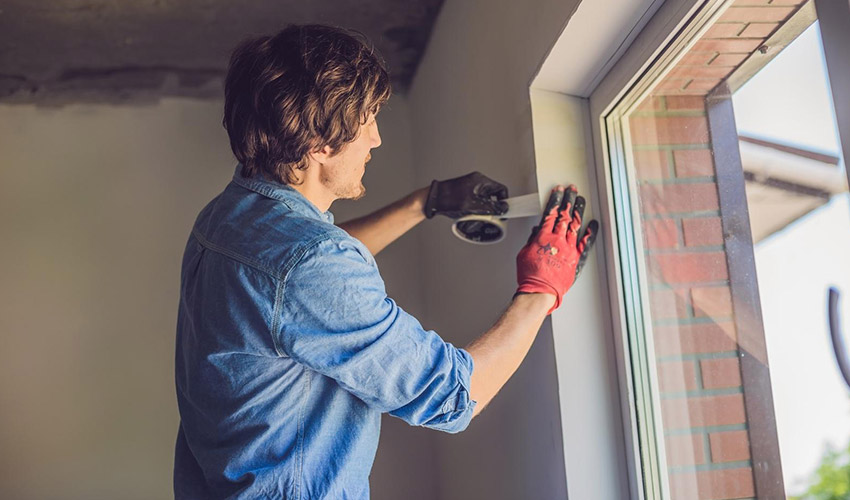
The kits sold at hardware stores every fall include a roll of clear plastic film and double sided tape. You tape around the inside of the window frame, press the film on, then shrink it tight with a hair dryer. The film traps a layer of still air in front of the glass, which works a bit like adding a pane. It also stops drafts from leaky sashes.
On single pane windows during a hard freeze, that can make a room noticeably warmer. It's cheap and it comes off in spring. The downsides: you can't open the window while it's up, it looks like plastic wrap up close, and pulling the tape off can lift paint. In most of Texas it's a short season product, useful mainly for older single pane windows or a cold snap like the one in February 2021.
Solar control film for summer heat
This is the film that matters most here. Solar control films go on the glass with a soapy water solution and a squeegee, and they reduce how much of the sun's heat comes through. Some are dark tints. Others are spectrally selective films that look nearly clear but still reject a good share of infrared heat. A few are sold as low-E retrofit films that also reflect room heat back inside in winter.
Here's what a good film on sun facing glass can do:
- Cut solar heat in west and south rooms, which can make those rooms easier to cool in the afternoon.
- Reduce glare on TVs and computer screens.
- Block most ultraviolet light, which helps slow fading of floors and furniture.
- Add some daytime privacy with reflective or darker films.
- Hold glass shards together if a pane breaks.
The risks people don't hear about
Putting film on the wrong glass can crack it. Film that absorbs a lot of heat raises the temperature of the glass, and if the center of a pane heats up while the edges stay cooler inside the frame, the stress can cause a thermal crack. That risk is higher with dark films, on large panes, on double pane units and on glass that's partly shaded by an overhang or tree.
Double pane windows raise a second issue. Many window manufacturers say aftermarket film can affect their warranty on the sealed glass unit. Before you film a newer window, read the manufacturer's terms. Reputable film makers publish film to glass compatibility charts, and a good installer will check them before quoting.
A few other tradeoffs:
- Darker films cut daylight, so rooms may feel dimmer and need more lighting.
- Highly reflective films can look mirrored from outside, and some HOAs restrict them.
- Cheap films can bubble, peel or turn purple after a few Texas summers.
Film vs replacing the window
Film costs a fraction of new windows, and on a house with decent frames it can be a smart fix for a few problem rooms. It doesn't touch air leakage, though, and it adds nothing to the frame. If your windows are single pane aluminum, leaking air around the sashes or fogged between the panes, film is a bandage. New windows with a low SHGC coating built into the glass will do more, and that coating can't scratch or peel because it's sealed inside. Our guide to low-E glass coatings explains how factory coatings compare.
What to look for on the spec sheet
Film makers publish performance numbers, and a few of them are worth comparing. Total solar energy rejected tells you how much of the sun's heat the film keeps out, and higher is better. Visible light transmission (VLT) tells you how much daylight still gets through, so a lower number means a darker room. Some sheets also list an SHGC for the glass with the film applied. Look for a film that rejects a good share of solar heat while keeping VLT high enough that you won't need the lights on at noon.
DIY film from a big box store costs less, but large panes are hard to apply without bubbles, dust and creases. A professional install usually comes with the film maker's coverage and a check for thermal stress risk, which matters most on double pane glass.
Where film makes the most sense
Focus on glass that takes direct afternoon sun with no shade: west facing living rooms, big picture windows, sliding glass doors and skylights. North windows rarely need it. Film on a small east window may not be worth the money either.
If you're on a budget, pair film with caulk and weatherstripping. Our article on cheap ways to insulate windows covers those options, along with solar screens, which stop heat before it ever reaches the glass. Screens and film can work together on the hottest side of the house.
Find out what your windows need
Before you spend money on film, it helps to know how much heat is coming through the glass versus the attic, walls and ducts. Texas Energy Pros offers a free home energy audit that checks all of it. Contact us to book a visit, or browse our windows and doors options if replacement looks like the smarter move.