
Metal Roofing in Corpus Christi, TX
Corpus Christi roofs face salt spray, steady bay breezes, strong sun and the threat of hurricanes, so the metal, the fasteners and the inspection all matter here.
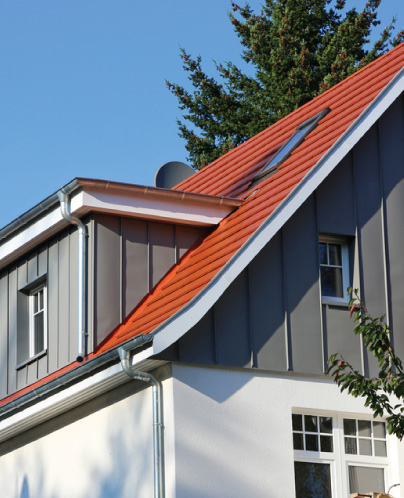

Nueces County is in the Texas Windstorm Insurance Association's designated catastrophe area, and anyone who saw what Hurricane Harvey did to Port Aransas and the Coastal Bend understands why. In Corpus Christi, wind doesn't need a hurricane to work on a roof. The breeze off the bay blows most days, it carries salt, and the sun is strong enough to cook cheap paint in a few summers. A metal roof is a good match for that combination, but only if it's specified for the coast and not pulled off a shelf meant for barns in the Hill Country.
Material: aluminum, steel or stone-coated
- Aluminum standing seam is what we'd look at first for homes on Ocean Drive, North Padre Island, Flour Bluff or anywhere you can smell the water. It doesn't rust, and it comes in the same paint finishes as steel.
- Painted Galvalume steel works farther inland, as long as you stay within the panel maker's distance-from-salt-water rules. Those rules are printed in the product literature; read them.
- Stone-coated steel gives a tile or shake look and handles wind well when installed to its tested pattern. Ask about its coastal ratings too.
Whatever you pick, choose a PVDF paint finish. It holds color in hard sun much longer than polyester paints, and it shrugs off the salt film that builds up between rains.
Fastening for wind
Uplift is strongest at corners, rakes and the ridge. The panel maker publishes a tested attachment pattern for each design wind speed, and the windstorm code expects you to follow it. That means closer clip or screw spacing at the edges, heavier trim, and sealed closures under ridge and hip caps. Stainless steel or coated coastal fasteners keep rust streaks from starting at every screw. On the deck itself, a tear-off lets the crew re-nail the sheathing on a tighter pattern, which matters as much as anything you can see from the street.
Windstorm paperwork
To keep a home eligible for TWIA coverage, a new roof needs a windstorm inspection and certificate. The Texas Department of Insurance wants the application in before work starts, then inspects the roof, or an appointed engineer does. Small repairs under 100 square feet that don't involve the decking are exempt. Ask your roofer to hand you the certificate when the job is done, and file it with your policy. Our guide to roof storm damage and insurance covers claims after a storm.
Sun and heat
Coastal Bend summers are long and humid. A white or light gray roof reflects much of that sunlight, and the attic underneath needs steady ventilation and enough insulation to do its part. In a humid climate, keep the ducts sealed and the attic free of moist air from bathrooms and the dryer, or you'll trade a hot attic for a damp one. A radiant barrier is worth a look if the ductwork lives up there. If you still can't get the house cool, the AC itself may need repair; see Cooler Air Today in Corpus Christi.
Our Service Area in
Corpus Christi
Metal roofing in other Texas cities
Schedule an appointment today
If you feel like you're spending too much on heating and air conditioning, a home energy audit by Texas Energy Pros shows you where the money is going.
