
Metal Roofing in Woodway, TX
Woodway's big oaks shade the house and drop limbs and leaves on the roof. Metal handles both better than shingles, provided the trim and the valleys are done right.

Trees are the Woodway roof problem
On a lot of Woodway streets the live oaks are older than the houses. That shade is worth plenty in August. It also means leaves packed into valleys, limbs scraping the roof in wind and the occasional branch coming down in a storm. Shingles hold damp debris against their surface, and over time that wears off granules and feeds the dark algae streaks you see on shady roofs. Smooth metal panels shed leaves far more readily, especially on steeper pitches.
Metal isn't immune. A heavy limb will dent it, and branches dragging across it can scratch the paint. Keep limbs trimmed back several feet from the roof, which helps any material, and choose a gauge heavy enough to shrug off small falls.
Big, complicated roofs
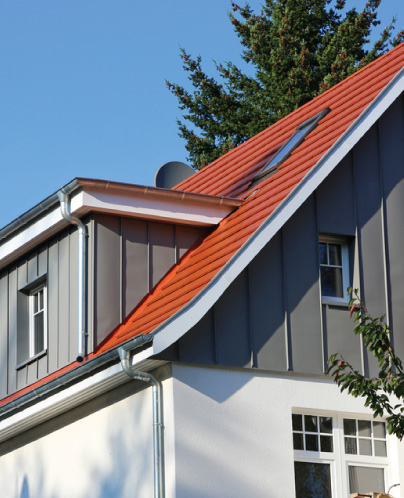
Woodway's larger homes often have involved roofs: several ridges, dormers, a turret now and then, and long valleys where two wings meet. Those details are where metal roofs leak if the installer rushes. Ask how each one will be handled.
- Valleys: open metal valleys, wide enough to carry leaves and heavy rain.
- Sidewalls: counter-flashing set into the siding or stone, rather than a bead of caulk.
- Chimneys: a cricket on the uphill side so water and leaves don't pile up.
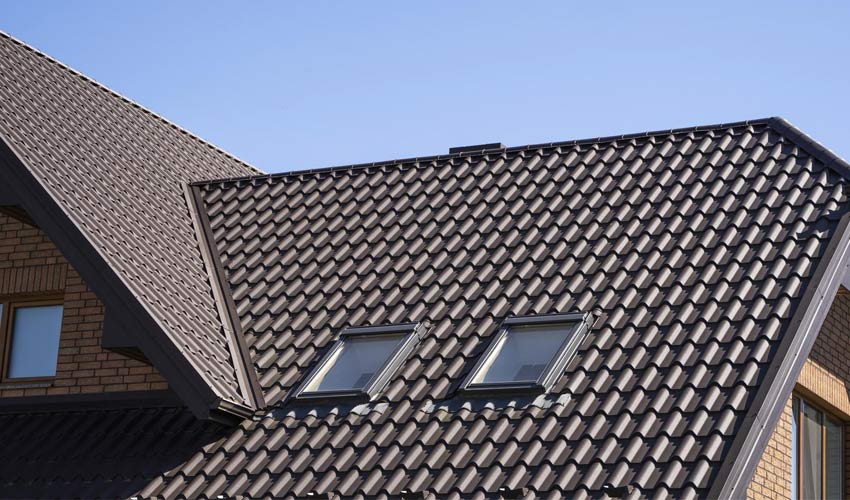
- Skylights: new flashing kits made for the panel profile.
Trim bent on site to fit the actual angles usually looks and performs better than stock pieces forced into place.
Color under a canopy
Under heavy shade, reflectivity counts for less than it does on an open lot, and many owners pick darker colors that sit quietly under the trees: bronze, charcoal, a muted green. If parts of your roof get full afternoon sun, though, a lighter or cool pigment color keeps the attic noticeably cooler there. A medium tone is a reasonable compromise. For color life, PVDF paints hold up longer than polyester ones either way.
Gutters deserve a word here too. Metal sends water and leaves off the eaves faster than shingles do, so undersized gutters under a big oak will overflow in the first hard rain. Wider gutters, larger downspouts and a guard that sheds leaves rather than trapping them make the whole system work.
The second floor and the AC
A new metal roof takes some heat off the attic, which helps the upstairs rooms in a two-story house. It won't fix knee walls with gaps in the insulation or ducts snaking through a hot attic. If the upstairs is still several degrees warmer than the thermostat after the roof is done, look at the system and its ductwork.
After a storm on a wooded lot
A quick routine keeps a small problem from turning into a leak:
- Walk the yard and look up for hanging or cracked limbs.
- Check valleys and gutters for piled debris.
- Photograph any dents or scrapes from the ground.
- Call before climbing up yourself; wet metal is slick.
Our Woodway home energy guide covers bonus rooms, windows and insulation, and if a storm brings down a limb or hail, the storm and hail damage page walks through what to do next.
Our Service Area in
Woodway
Metal roofing in other Texas cities
Schedule an appointment today
If you feel like you're spending too much on heating and air conditioning, a home energy audit by Texas Energy Pros shows you where the money is going.
